

Quick Summary
Transparent ingredient dosing means a supplement label shows the exact amount of each ingredient per serving, not just its name. This lets shoppers check doses, compare products on the same numbers, and avoid hidden blends that obscure what they are actually taking.
- Look for the exact amount of each ingredient per serving on the Supplement Facts panel.
- Proprietary blends list one total weight, which hides how much of each ingredient is present.
- Measure your serving exactly as the label says, since scoops vary in weight.
- The Advanced 100% Whey Protein Isolate provides 22 g of protein per 2-scoop serving of 34 g.
- Talk with a doctor before starting a new supplement, especially if you take medication.
Table of Contents
What Transparent Ingredient Dosing Means on a Supplement Label
Most supplement shoppers see a long ingredient list and assume they know what they are getting. Transparent ingredient dosing means each ingredient on the label shows its exact amount per serving, not just its name. That detail is what separates a label you can check from one you have to trust.
Brands that disclose exact doses let you compare products on the numbers that matter. The Creatine Monohydrate from Bionic Supps lists 5,000 mg of creatine monohydrate per serving, so you can see the dose without guessing.
Last Updated: November 1, 2026
Why Transparent Ingredient Dosing Builds Consumer Trust
Trust grows when a company shows its work. Our third-party supplement testing practical guide explains how independent testing verifies label claims. When a label states exact amounts, shoppers can verify claims instead of relying on marketing language.
Clear dose information helps in three practical ways:
- You can confirm the product matches what you want to take.
- You can compare two products on the same measurement.
- You can spot a label that hides weak doses behind a big name.
Watch out: A label that lists ingredients without amounts makes it hard to tell whether a dose is meaningful. Ask for the numbers before you buy.
How to Read Supplement Ingredient Labels for Exact Doses
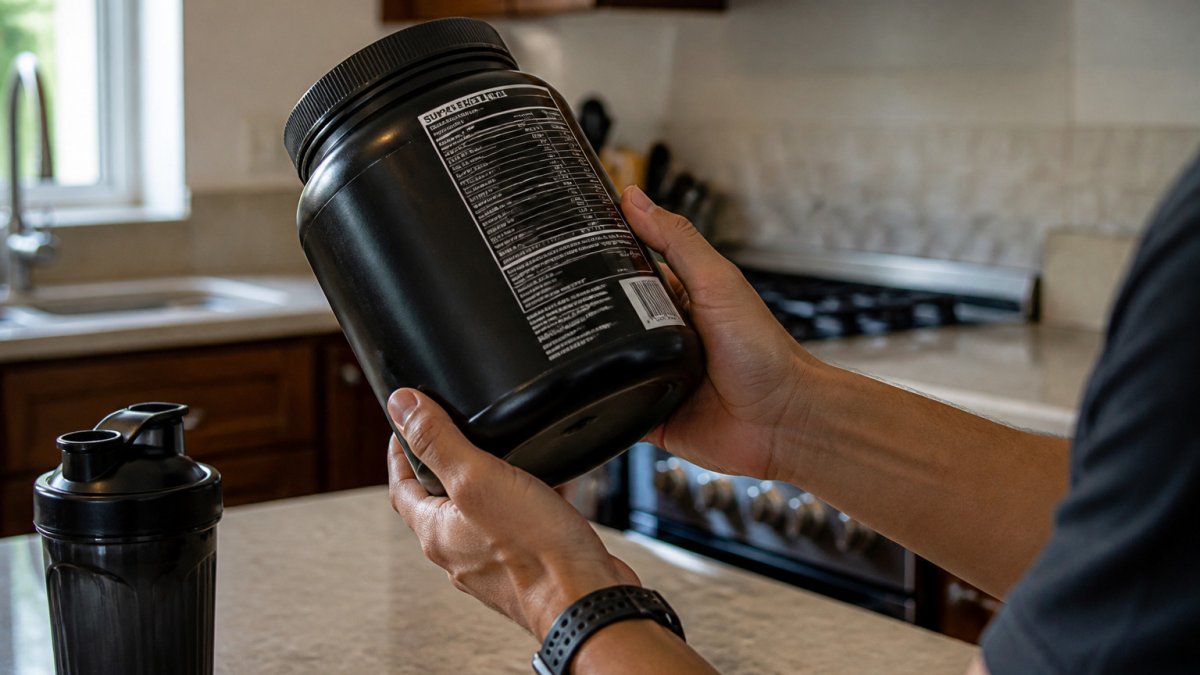
The Supplement Facts panel is the key. Look for three things: the serving size, the amount per serving for each ingredient, and the number of servings per container.
Start with the serving size, then find the dose for the ingredient you care about. Multiply by servings per container to see the total amount in the tub.
| Label Item | What to Check | Why It Matters |
|---|---|---|
| Serving size | Scoop or capsule count | Sets the baseline for every dose |
| Amount per serving | Milligrams or grams per ingredient | Shows the real dose |
| Servings per container | Total servings | Helps you compare value |
You can read the full panel for the Creatine Monohydrate product in the how to read supplement ingredient labels for exact doses guide and see how each line works.
Proprietary Blend vs. Fully Disclosed Ingredients: Why It Matters
A proprietary blend lists a group of ingredients under one total weight, without showing how much of each one is inside (the FDA). This makes it hard to know whether any single ingredient is present at a useful level.
Fully disclosed formulas avoid this problem by listing each ingredient with its own amount. The hidden risks in proprietary supplement blends are worth understanding before you buy a blended product.
Common issues with blends include:
- Key ingredients may appear at low, unhelpful doses.
- You cannot compare the product with others on a per-ingredient basis.
- Fillers can make up much of the total weight.
Supplement Serving Size and Dosage: Getting the Amount Right
Serving size is the reference point for every number on the label. Measure it the way the label says. A scoop of protein powder and a scoop of creatine can weigh very different amounts, so do not assume one scoop equals another.
For the Advanced 100% Whey Protein Isolate, a 2-scoop serving (34 g) provides 22 g of protein. Measuring two full scoops gives you the labeled amount. Using a half scoop cuts the dose in half.
Matching Doses to Studied Ingredient Levels
Some ingredients have doses that researchers have studied. Comparing a product's per-serving amount with those studied levels helps you judge whether the dose is in a meaningful range.
Check the label first, then look at the research behind the ingredient. Our creatine monohydrate listing gives you the per-serving amount to compare.

Keep in mind that a studied dose is a guide, not a promise. Talk with a doctor before starting a new supplement, especially if you take medication or have a health condition.
Putting Transparent Dosing to Work: Your Next Step With Bionic Supps
Transparent dosing is a practical tool. Read the serving size, check the amount per ingredient, and skip blends that hide the numbers.
Bionic Supps shows full labels, ingredients, and directions on its product pages, so you can make informed choices. Browse the range and start with a product whose label you can check line by line. Shop All to compare options.
Frequently Asked Questions
Does a disclosed ingredient dose prove that a supplement is effective?
Not by itself. A disclosed dose tells you exactly how much of an ingredient is in each serving, which lets you compare products and check against amounts used in clinical research. Effectiveness depends on whether that dose matches studied levels for the goal you care about, whether the ingredient is the right form, and how consistently you take it. Look for a disclosed dose that falls within the range used in studies, then judge results over several weeks. Speak with a healthcare provider if you take medications or have a health condition.
How can I tell whether a supplement uses a proprietary blend?
Check the Supplement Facts panel for a single line that lists several ingredients under one combined weight, such as a 'blend' of 3,000 mg with no individual amounts beside each ingredient. If the panel shows each ingredient with its own milligram amount, the product is fully disclosed. Proprietary blends can hide underdosing, because a brand can list an ingredient first while including only a small portion of it. When in doubt, compare the listed ingredient amounts against the clinical doses used in published research.
Why are serving size and dose important when choosing a supplement?
Serving size determines how much of each ingredient you actually consume. Two products can list the same ingredient, yet one may provide 5,000 mg per serving and the other 1,000 mg, depending on how many scoops make a serving. Always compare doses per serving rather than per container, and confirm whether the scoop weight differs from the amount of active ingredient. For example, Bionic Supps' Creatine Monohydrate lists 5,000 mg of creatine monohydrate per 5.6 g scoop, so the scoop weight and the active amount are separate numbers to check.
What should I look for in a transparent supplement label?
Look for a complete Supplement Facts panel that lists every active ingredient with its exact amount per serving, the serving size, and the number of servings per container. Check that inactive ingredients, allergens such as milk, and sweeteners are named. Clear directions and warnings should appear on the label and on the product page. Brands that publish full labels and avoid vague 'proprietary blend' totals make it easier to judge whether a product matches your goals and your tolerance for specific additives.
