

Last Updated: November 19, 2026
Quick Summary
Avoiding fillers in fitness nutrition starts with reading the Supplement Facts panel: check the serving size, per-serving amounts, and ingredient order. Fillers like added sugars, thickeners and proprietary blends add bulk or sweetness without helping your training goals.
- Check the serving size and per-serving amounts before comparing products.
- Ingredients are listed by weight, so sugars or thickeners near the top dominate the tub.
- Watch for proprietary blends that hide exact doses of each ingredient.
- Functional ingredients have a stated purpose; unnecessary fillers usually do not.
- Third-party testing confirms a product matches its label, not that every ingredient is needed.
Table of Contents
- What Supplement Fillers Are and Why Manufacturers Use Them
- How to Read Supplement Ingredient Labels, Step by Step
- Supplement Ingredients to Avoid and Common Fillers Explained
- Protein Powder Ingredients to Avoid
- Telling Functional Ingredients From Unnecessary Fillers
- Why Third-Party Tested Supplements Matter for Fillers and Contaminants
- Your Next Step: Build a Shortlist and Check Labels Before You Buy
- Frequently Asked Questions
What Supplement Fillers Are and Why Manufacturers Use Them
Avoiding fillers in fitness nutrition starts with knowing what they are. Fillers are ingredients that add bulk, flow, flavor or shelf life without doing much for your training goals. Many shoppers find these ingredients hard to spot on a busy label.
Manufacturers use fillers for simple reasons. They help a powder mix smoothly, hold its shape in a capsule, or taste sweeter. A few are useful. Others add calories or sugar you never asked for.
Here are the most common types you will see:
- Thickeners such as xanthan gum, which change texture
- Sweeteners such as sucralose or added sugar, which boost flavor
- Flow agents such as silicon dioxide, which keep powders from clumping
- Bulking agents such as maltodextrin, which add weight and calories
Not every filler is a problem. The goal is to tell functional ingredients from unnecessary ones. FDA guidance on dietary supplement labeling explains what supplement labels must disclose, which is a good place to start.
How to Read Supplement Ingredient Labels, Step by Step
Work through it in the same sequence each time. A repeatable routine makes it easier to compare products.
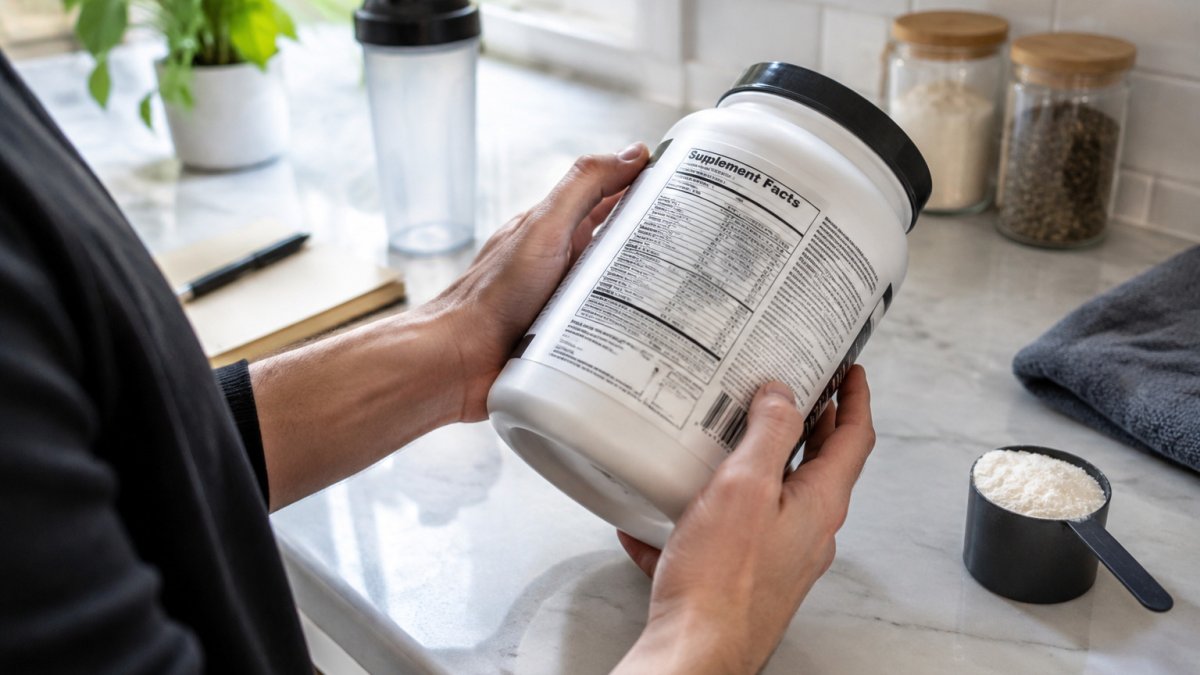
Check the Serving Size and Per-Serving Amounts First
Start with the serving size at the top of the Supplement Facts panel. Then check the per-serving amounts. A product can look strong on the front but deliver a small dose per scoop.
Ask yourself these questions:
- How many grams is one serving?
- How much of the active ingredient is in that serving?
- How many servings are in the container?
Compare the active amount to the serving size. Two products may list the same protein or creatine number, but one might need three scoops to get there. Use the per-serving number to compare fairly.
Read the Ingredient Order to Gauge What Dominates
Ingredients are listed by weight, from most to least. The first few tell you what makes up most of the product. If a sweetener or thickener sits near the top, it fills more of the tub than the active ingredient does.
Look for these warning patterns:
- Sugar or a sugar alcohol in the first three ingredients
- Several thickeners or gums stacked together
- A long "proprietary blend" with no individual amounts
Our guide on how to read supplement ingredient labels goes deeper on each section of the panel.
Supplement Ingredients to Avoid and Common Fillers Explained
Some ingredients earn a closer look. They are not automatically harmful. A useful approach is to ask what role each ingredient plays in the formula and how much is in a serving.
Here is a practical list of ingredients to scrutinize, with the role each one plays and the context that matters.
- Added sugars such as sucrose, corn syrup, dextrose, or maltodextrin. These add calories and can spike blood sugar. In protein powders, a small amount may improve taste, but a sugar or maltodextrin near the top of the ingredient list means you are paying for carbohydrate, not protein. Check the Added Sugars line on the Nutrition Facts panel and compare grams per serving across products.
- Sugar alcohols such as sorbitol, maltitol, and xylitol. These add sweetness with fewer calories than sugar, but they can draw water into the gut and cause bloating or loose stools, especially in larger amounts. Individual tolerance varies widely. If you are sensitive, start with a small serving and note the total grams of sugar alcohols per serving.
- Artificial sweeteners such as sucralose, acesulfame potassium, and saccharin. They are intensely sweet and add no calories. Most people tolerate them, but some report digestive discomfort or a lingering aftertaste. The evidence on long-term health effects is mixed and dose-dependent, so treat them as a personal-tolerance issue rather than a universal red flag.
- Gums and thickeners such as xanthan gum, guar gum, and carrageenan. These improve texture and keep powders from separating. Some people find gums cause gas or bloating. Carrageenan has drawn more scrutiny than xanthan or guar; if you react to one gum, try a product that uses a different one or none at all.
- Proprietary blends that hide exact doses. A blend is not an ingredient, but it is a labeling pattern worth avoiding when you want to compare products. Without individual amounts, you cannot tell whether the active ingredient is present at an effective dose or buried under fillers. Our guide to the hidden risks in proprietary supplement blends explains how to spot these patterns before you buy.
- Artificial colors such as FD&C dyes. They are added for appearance only and serve no nutritional purpose. Some people choose to avoid them; the evidence for harm at typical food levels is limited, but they add nothing to a fitness product.
- Flow agents such as silicon dioxide and magnesium stearate. These keep powders from clumping and capsules from sticking during manufacturing. They are used in small amounts and are generally considered safe. They are a legitimate manufacturing aid, not a sign of a low-quality product on their own.
Check the per-serving cost alongside the label, because a low price per tub can hide a low active dose per scoop.
Some people react to certain fillers more than others. If you have digestive sensitivities, pay closer attention to gums, sugar alcohols, and added sugars, and keep a simple log of what you used and how you felt. National Institutes of Health dietary supplement fact sheets offer reliable background on individual ingredients and their known roles.
The table below sums up the common filler types covered in this section, with the role each one plays and the point to check.
| Ingredient | Role | What to check |
|---|---|---|
| Added sugars | Adds sweetness and calories | Added Sugars line on the Nutrition Facts panel |
| Sugar alcohols | Sweetness with fewer calories | Can cause bloating or loose stools in larger amounts |
| Artificial sweeteners | Intense sweetness, no calories | Personal tolerance varies; some report aftertaste |
| Gums and thickeners | Improve texture, stop separation | Some people get gas or bloating from them |
| Proprietary blends | Hide exact doses | Without individual amounts, doses cannot be compared |
| Artificial colors | Appearance only | No nutritional purpose |
| Flow agents | Stop clumping during manufacturing | Used in small amounts; generally considered safe |
Protein Powder Ingredients to Avoid
Protein powder is where fillers show up most. A standard whey product may contain only protein plus a few flavoring agents. Others add thickeners, extra sugar or bulking carbs.
Check for these in protein powders:
- Maltodextrin or dextrose listed high on the label
- Multiple gums such as xanthan and guar
- Added sugars beyond a small amount for taste
- Fillers that push the protein percentage down
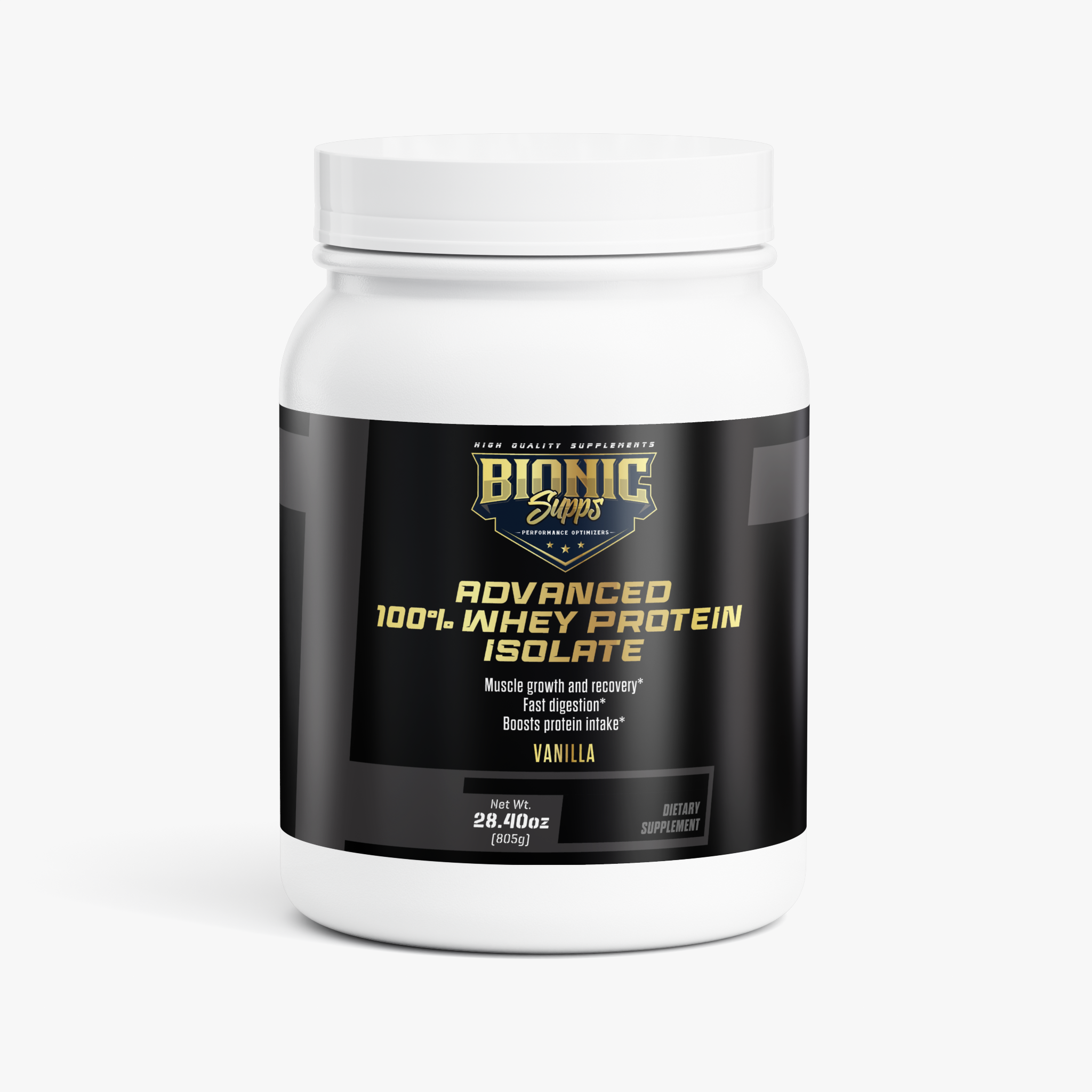
A clean product usually shows a clear protein number per serving and a short ingredient list. Our Advanced 100% Whey Protein Isolate (Vanilla) lists 22 g of protein per two-scoop serving and includes stevia as a sweetener.
Telling Functional Ingredients From Unnecessary Fillers
Not every non-protein ingredient is a filler. Some do real work. The question is whether an ingredient serves a clear purpose in the formula, and whether that purpose matters for your training goals.
Protein powders. The active ingredient is protein. A short list of flavoring, a sweetener, and a thickener is normal. A long list of gums, added sugars, or maltodextrin near the top pushes the protein percentage down.
Pre-workouts. The active ingredients are usually caffeine and other performance compounds. Watch for proprietary blends that hide caffeine content, and for added sugars or artificial colors that add nothing to performance. Caffeine amount per serving is the number to compare, and it should be stated clearly.
Electrolyte products. The active ingredients are sodium, potassium, and other electrolytes. Sugar can serve a real role here by aiding absorption, so a small amount is not automatically a filler. Compare electrolyte amounts per serving and check whether sugar is listed high for taste or for function.
Capsules. The active ingredient is the dose inside. Capsules need flow agents and sometimes fillers to hold their shape, so a small amount of silicon dioxide or magnesium stearate is a legitimate manufacturing aid.
Functional ingredients often include:
- Creatine monohydrate, the active ingredient in creatine products
- Electrolytes that support hydration during training
- Enzymes or fibers with a stated, supported purpose
Unnecessary fillers usually lack a stated role. They add weight or sweetness without improving the product's main job. Ask what the ingredient is for. If the label does not explain it, and it does not help the product work, treat it as a filler.
If you avoid certain ingredients, you still have options. For lactose sensitivity, look for whey isolate or a plant-based protein. For gum sensitivity, choose a product that uses a different thickener or none. For sugar-alcohol sensitivity, compare total grams per serving and start small.
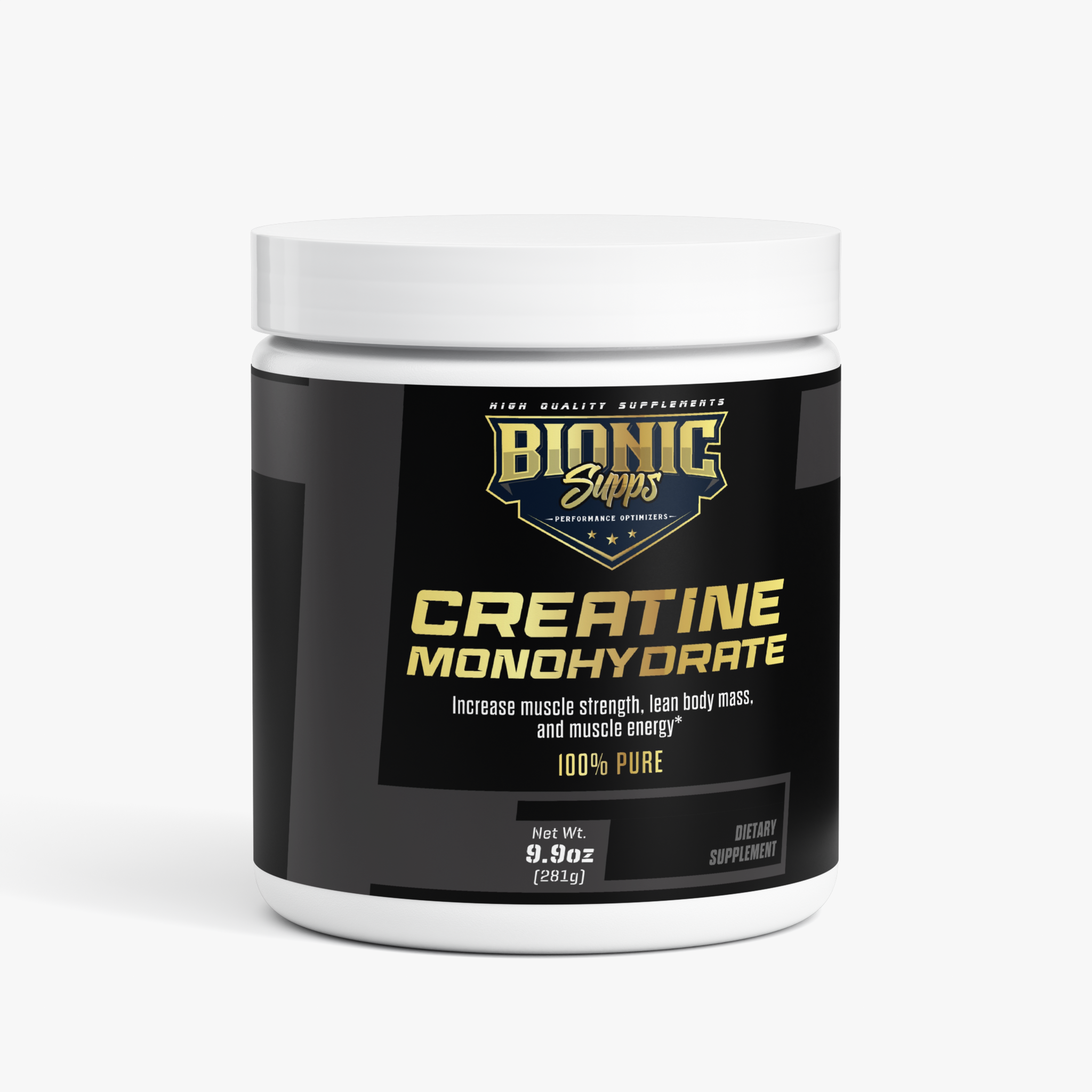
Our Creatine Monohydrate lists 5,000 mg of creatine monohydrate per serving, which makes its purpose clear at a glance. Use the same per-serving comparison across categories: active amount, added sugar, and calories.
Why Third-Party Tested Supplements Matter for Fillers and Contaminants
Labels tell you what the maker says is inside. Third-party testing checks whether the product matches the label. That gap matters when you are trying to avoid fillers and unwanted contaminants.
A third-party lab tests a sample against the stated contents. Some tests also screen for heavy metals or banned substances. Look for a seal from an independent testing organization on the package or the product page. Ask the brand for the certificate if you cannot find one.
Third-party testing confirms accuracy against the label, not whether an ingredient is necessary.
NSF Certified for Sport program overview describes one independent certification that fitness shoppers often look for.
Your Next Step: Build a Shortlist and Check Labels Before You Buy
Start with two or three products in the category you need, such as protein or creatine. Run each label through the same checks: serving size, ingredient order, filler types and third-party testing. Keep notes so the comparison stays fair.
Then pick the product with the most active ingredient per serving and the fewest unnecessary fillers. If you want a closer look at how we build our range, you can shop all of our products and compare labels side by side.
Frequently Asked Questions
What fillers should I avoid in supplements?
Watch for added sugars, artificial sweeteners you do not need, thickeners such as xanthan gum, and artificial colors. Most fillers are harmless in small amounts, but they add calories and can bother sensitive digestion. Check the ingredient list, compare it with the serving size, and favor products that list only the ingredients you need. If a label relies on a long list of unfamiliar additives, consider a simpler option.
How do I read a supplement ingredient label?
Start with the serving size and the amount of each active ingredient per serving, since these numbers show what you actually get. Then read the ingredient list, which is ordered by weight, so the first few items make up most of the product. Look for proprietary blends that hide individual amounts, and confirm the label names the specific form of each ingredient, such as creatine monohydrate rather than just creatine.
Are all supplement fillers harmful?
No. Some excipients, such as capsule materials or flow agents, are needed to make a product stable and usable. The concern is with fillers that add calories, sugar, or ingredients that cause digestive discomfort for you personally. Dose also matters, so a small amount of a filler is usually less of a concern than a large amount. Judge each ingredient by its purpose and by how your own body responds.
What should I look for in a transparent protein powder label?
Look for the grams of protein per serving, the full ingredient list, and a clear serving size. A transparent label names the protein source, such as whey protein isolate, and shows any added sugars, sweeteners, or thickeners. The Advanced 100% Whey Protein Isolate from Bionic Supps lists 22 g of protein per two-scoop serving, with MCT oil powder, apple pectin, and stevia as added ingredients. Compare these details against your own tolerance and goals before you buy.
